

How to Style Loungewear for Work: 7 Proven Steps
Table of Contents
- Can You Actually Wear Loungewear to Work?
- Step 1: Choose Structured Fabrics That Read Professional
- Step 2: Mix Loungewear With Tailored Pieces
- Step 3: How to Dress Up Sweatpants for Work
- Step 4: Build Elevated Loungewear Outfits With Matching Sets
- Step 5: Use Accessories and Footwear to Signal Professionalism
- Step 6: Master Layering and Color Palettes for a Polished Silhouette
- Step 7: Check Your Dress Code and Adjust Accordingly
- Frequently Asked Questions
Last Updated: August 31, 2026
Can You Actually Wear Loungewear to Work?
The short answer is yes, but only if you approach it strategically. Remote and hybrid schedules have blurred the lines between home and office, making the question not whether loungewear belongs at work, but how to style it so it reads polished rather than sloppy.
Most loungewear fails professionally because it lacks structure and intentionality. The difference between loungewear that works and loungewear that doesn't comes down to fabric choice, silhouette, layering strategy, and finishing touches with accessories.
This guide walks you through seven proven steps to transform loungewear into office-appropriate attire, whether you're working from home or in a casual office environment.
Step 1: Choose Structured Fabrics That Read Professional
Professional loungewear begins with heavier-weight knits and structured cotton blends that hold their shape throughout the day (peer-reviewed research). Look for fabrics with a tighter weave and minimal stretch, jersey knit, ponte cloth, and heavyweight cotton maintain clean lines and don't cling or bag.
Matte finishes read more polished than shiny, lightweight materials (apa.org). A brushed cotton or matte jersey will always look more intentional than a glossy polyester blend. When evaluating loungewear pieces, ask yourself: does this look designed for a professional setting, or does it look like pajamas?
The Prep & Pretty Pullover from Fashion For Today demonstrates this principle perfectly. Made from soft cotton with a dropped shoulder seam trimmed with delicate lace, it has enough structure to maintain its shape while feeling comfortable for all-day wear. Fabric weight directly impacts how an outfit reads, structured fabrics maintain clean silhouettes throughout your workday.

Step 2: Mix Loungewear With Tailored Pieces
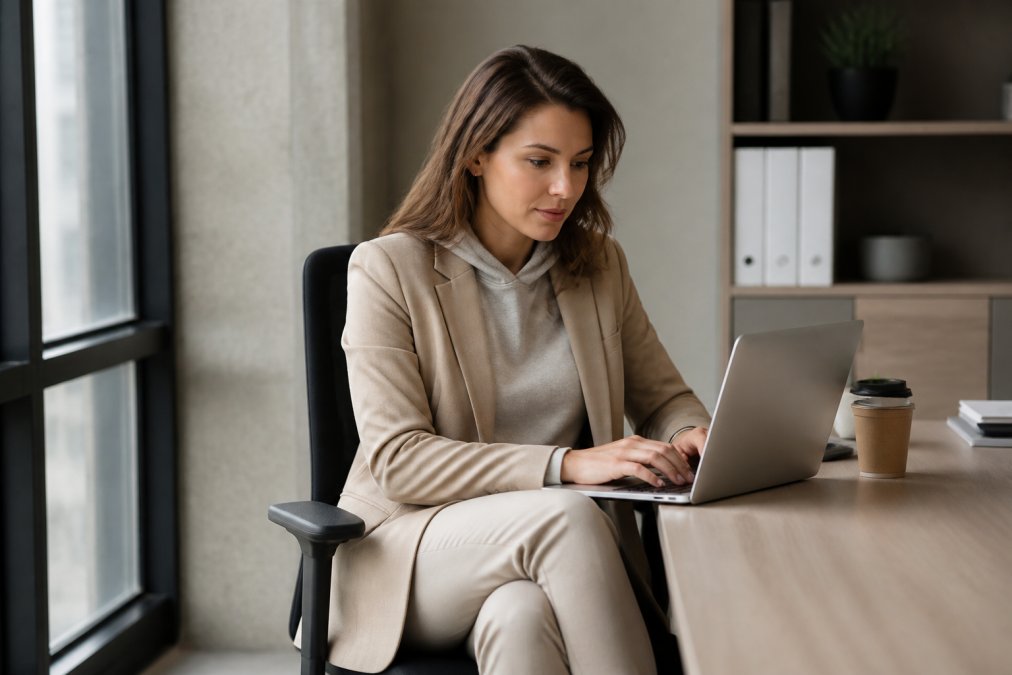
The most effective strategy for styling loungewear for work is pairing it with tailored pieces that anchor the outfit in professionalism. A soft jogger becomes office-appropriate when paired with a crisp button-up shirt or structured blazer on top.
This mixing strategy works because tailored pieces communicate intentionality. The contrast between relaxed loungewear and structured clothing creates visual balance and sophistication. If your bottom is loose and relaxed, your top should be fitted or structured. If you're wearing a soft, oversized loungewear top, your bottom needs definition.
Button-up shirts are particularly effective with loungewear bottoms. A crisp cotton shirt or the More Love Top from Fashion For Today, with its collared neckline and structured button-down design, instantly elevates comfortable joggers. Blazers serve the same function with more impact, a fitted blazer over loungewear creates an immediate professional impression.

Step 3: How to Dress Up Sweatpants for Work
Sweatpants are the most challenging loungewear piece to transition to professional settings, but it's entirely possible with the right approach. Start with fabric: seek out sweatpants in ponte cloth or heavyweight cotton blends rather than traditional fleece. Solid colors in neutral tones, black, charcoal, navy, or taupe, always read more professional than bright colors or patterns.
The fit matters enormously. Sweatpants with a tapered ankle, higher waist, and minimal cuffing look more intentional than oversized, baggy styles. Layer strategically over sweatpants with a structured blazer, which creates enough visual weight and professionalism to balance their casual nature. Pair with polished footwear and minimal, refined accessories.
Consider adding a structured button-up shirt or tucking in a fitted top to create visible definition at the waist. A sweatpant outfit with a tucked-in top and blazer looks entirely different from the same sweatpants with an untucked, oversized sweater. Keep your sweatpants, top, and blazer in a cohesive color palette, monochromatic or tonal outfits create a simplified, sophisticated silhouette.
Step 4: Build Elevated Loungewear Outfits With Matching Sets
Matching sets, where your top and bottom are designed to coordinate, offer a shortcut to looking polished. When a loungewear top and bottom are created as a set, they already have proportional balance and visual cohesion built in.
For work settings, choose matching sets in structured fabrics and neutral or muted colors. A matching set in charcoal grey or soft taupe feels more professional than bright colors or bold patterns. Layer matching sets to elevate them further, add a structured blazer, cardigan, or button-up shirt over the top.
The Slumber Party Top from Fashion For Today demonstrates how elevated loungewear pieces work in professional settings. Designed with real coverage and a polished aesthetic, it's comfortable enough for all-day wear while maintaining sophistication. Pair it with tailored trousers or a matching bottom, and you've created an elevated loungewear outfit that works professionally. Matching sets also simplify decision-making, the designer has already solved proportion and color coordination problems.

Step 5: Use Accessories and Footwear to Signal Professionalism
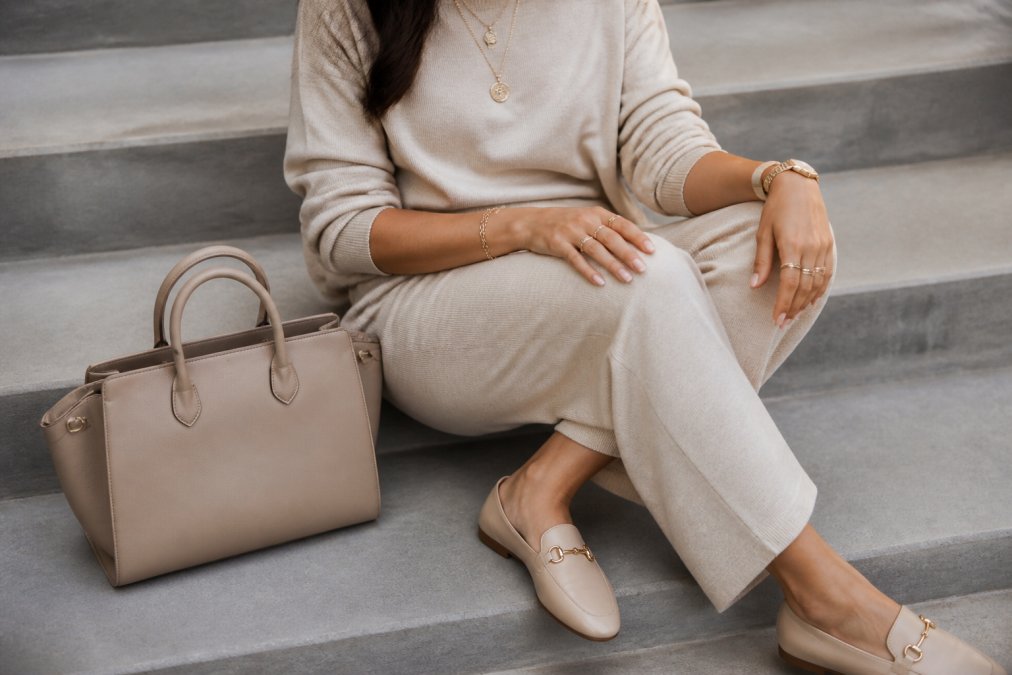
Accessories and footwear signal whether your loungewear outfit is intentional or accidental. Even if your base pieces are comfortable loungewear, the right accessories shift the entire impression toward professionalism.
Footwear choice is non-negotiable. Professional footwear, loafers, structured flats, low heels, or polished sneakers in neutral colors, communicates that you've put thought into your appearance. Avoid sneakers, slippers, or athletic shoes that undermine your effort.
A structured handbag in leather or quality synthetic material signals intentionality. Choose bags with defined shapes, quality hardware, and neutral colors. Jewelry should be minimal and refined, delicate chains, simple earrings, or classic watches add polish without clashing. Belts are underutilized tools for elevating loungewear; a structured belt at the waist creates definition and signals intentionality.
Color coordination in accessories matters. If your loungewear is in neutral tones, your accessories should coordinate, black shoes with a black bag, or brown shoes with a cognac bag. Every accessory should communicate deliberate choices.
Step 6: Master Layering and Color Palettes for a Polished Silhouette
Layering transforms loungewear into office-appropriate attire. The most effective strategy involves three elements: a base loungewear piece, a middle layer for definition, and an outer layer for polish. Each layer adds visual weight and structure.
Proportion is critical in layering. If your base is loose and relaxed, your middle layer should be fitted. If your middle layer is oversized, your outer layer should be more structured. This alternating proportion creates visual balance.
A monochromatic or tonal approach, where all pieces are in the same color family, creates a simplified, sophisticated silhouette. A black loungewear base with a charcoal cardigan and navy blazer creates visual continuity. Neutral tones, black, white, grey, navy, taupe, cream, and brown, are your foundation and communicate professionalism.
The Emerson Pop up Collar Top from Fashion For Today exemplifies how layering enhances a loungewear piece. The signature pop-up collar and Henley placket create visual interest and structure. Layer it under a blazer or cardigan for a polished, professional silhouette that still feels comfortable. Textural contrast adds sophistication, a smooth loungewear piece layered under a textured knit creates visual interest.
Step 7: Check Your Dress Code and Adjust Accordingly
Before wearing any loungewear to work, understand your specific workplace dress code. Dress codes vary significantly across industries and companies.
Business formal and business professional dress codes typically don't accommodate loungewear (eeoc.gov). Business casual dress codes are where elevated loungewear can work, these typically allow tailored pants, casual dresses, and comfortable tops paired with structured pieces. Smart casual and creative dress codes are the most accommodating for loungewear.
Remote and hybrid work environments have created new dress code flexibility. If you're working from home most days, you have more freedom to experiment with loungewear. However, having polished outfits for video calls and occasional office visits remains important.
Ask yourself: Do colleagues wear jeans or athletic wear? Are blazers and structured pieces common? What's the general aesthetic? Understanding these details helps you make informed decisions about which loungewear pieces work in your environment. When in doubt, err on the side of more structure and polish.
Styling loungewear for work is entirely achievable when you prioritize structured fabrics, intentional layering, and polished finishing touches. Fashion For Today's collection of elevated loungewear pieces demonstrates that comfort and professionalism aren't mutually exclusive. Start with quality pieces in neutral tones, layer strategically with tailored elements, and finish with refined accessories. The result is an outfit that feels comfortable enough for all-day wear while communicating the polish and intentionality your workplace expects.
Frequently Asked Questions
Is loungewear appropriate for a business casual dress code?
Yes, if styled correctly. Business casual allows comfortable pieces like elevated loungewear when paired with tailored elements. The key is choosing structured fabrics (cotton blends, ponte), adding a blazer or button-up shirt, and selecting professional footwear. Avoid anything that looks purely pajama-like or has excessive branding. Check your specific workplace policy, as some industries have stricter standards.
What fabrics work best for loungewear that looks professional at work?
Opt for high-quality cotton blends, ponte fabric, and structured knits rather than thin jersey or fleece. These fabrics hold their shape throughout the day and create a polished silhouette. Avoid overly soft, clingy materials that wrinkle easily or look too casual. Fabric quality signals professionalism, so investing in pieces like the Prep & Pretty Pullover with quality construction makes a real difference in how your outfit reads in a work setting.
How can I make sweatpants look professional for work?
Style sweatpants with a tailored button-up shirt or structured blazer to create contrast. Choose sweatpants in neutral tones like black, gray, or navy, and ensure they have a streamlined fit without excessive cuffs or drawstrings. Layer with a cardigan or jacket, add pointed-toe flats or loafers, and include minimal jewelry for a smart-casual look. This formula works for work-from-home settings and less formal office environments.
What accessories help transition loungewear to office-ready outfits?
Hardware accents, structured bags, and professional footwear are essential. A leather handbag, delicate jewelry, and pointed flats or loafers instantly elevate a loungewear piece. A blazer or cardigan adds polish and creates a complete silhouette. Avoid oversized tote bags or athletic accessories that read as casual. These finishing touches signal intentionality and help your comfortable pieces fit seamlessly into a professional aesthetic.
This article was written using GrandRanker
